GPS Guide: What Exactly Is a GPS Monitoring Device?
A beginner-friendly breakdown of what an ankle monitor is, how it functions, and why it is used in the modern justice system.
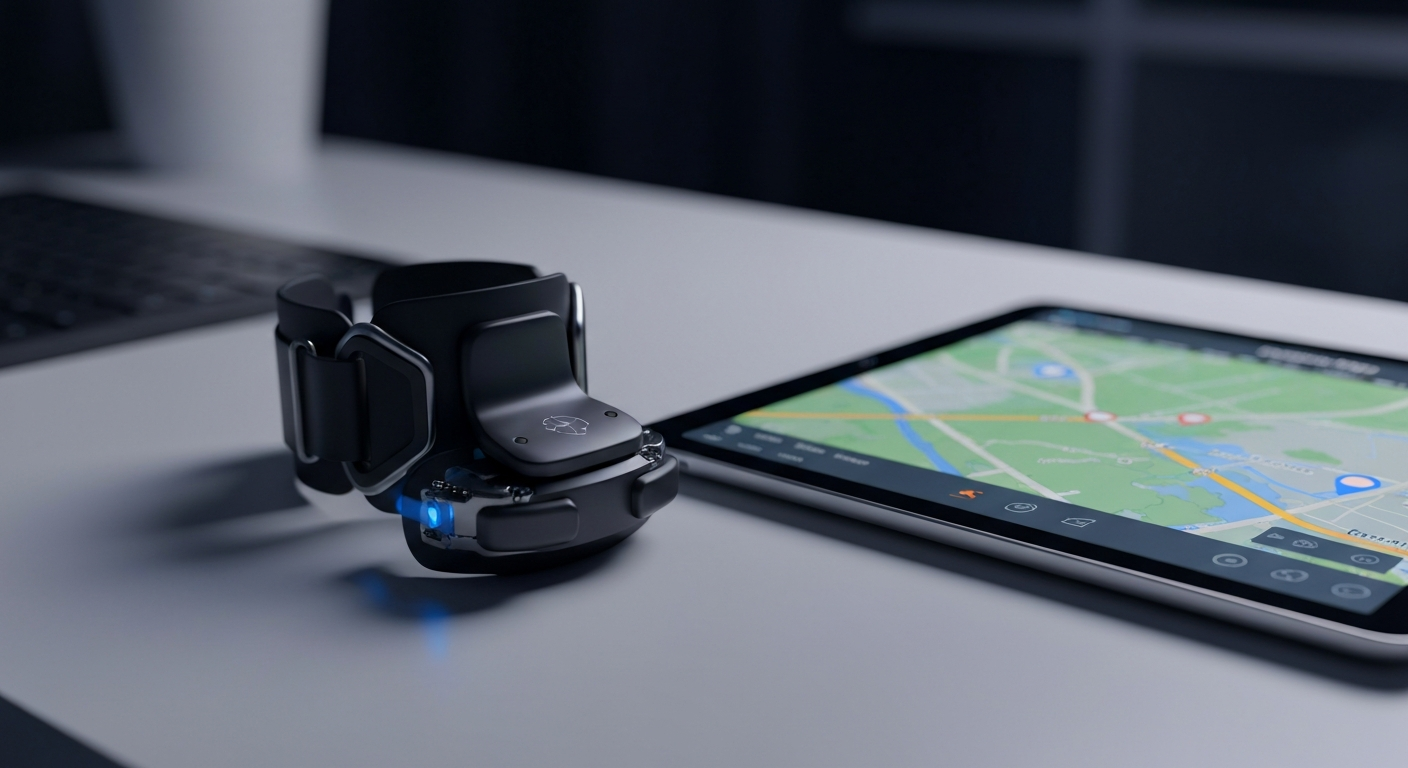
Whether you've seen them in movies, read about them in the news, or are preparing to wear one as part of a pretrial release, GPS monitoring devices can seem mysterious. What exactly is that black box strapped to the ankle, and how does it work?
At My GPS Monitor, we believe transparency is key to compliance. In this guide, we will break down the anatomy and function of a modern GPS ankle monitor.
The Basics: A Wearable Computer
At its core, a GPS ankle monitor is a ruggedized, wearable computer. It is designed to do three primary things: determine its exact location, communicate that location to a central monitoring center, and detect any attempts to remove or break it.
The Brain: On-Board Processing
Modern devices like the ReliAlert™XC4 don't just blindly send data. They have on-board processors that store the wearer's specific inclusion zones (where they must be) and exclusion zones (where they cannot go). The device assesses its location against these rules every 2 seconds.
The Communicator: 4G LTE
To send data back to the monitoring center, the device acts like a cellphone. It uses the 4G LTE cellular network (with 3G/2G fallback) to transmit location updates, battery status, and any alerts instantly.
The Armor: Tamper Detection
The strap that goes around the ankle isn't just plastic. It contains fiber-optic cables. If the strap is cut, stretched, or tampered with, the light transmission inside the cable is broken, immediately triggering a tamper alert.
Why Is It Worn on the Ankle?
People often ask why the device isn't worn on the wrist like a smartwatch. The ankle is chosen for several practical reasons:
- Discretion: It is much easier to conceal an ankle monitor under pants, allowing the individual to maintain privacy at work or in social settings.
- Security: The ankle is harder to slip a rigid band off of compared to a wrist or hand.
- Interference: Hands and arms are constantly moving, which can cause more wear and tear on the device. The lower leg provides a more stable platform.
Beyond Tracking: Interactive Features
As detailed in our post on how GPS monitors work, the ReliAlert™XC4 is unique because it features 3-way live voice communication. It has a built-in speaker and microphone. If a wearer is approaching a restricted area, the monitoring center can call the ankle monitor directly. The device auto-answers, allowing the operator to give verbal instructions. It also features a 95-dB siren that can be activated remotely in emergencies.
Conclusion
A GPS monitoring device is a highly sophisticated piece of technology that balances the need for strict legal oversight with the goal of allowing individuals to remain in their communities. By understanding what the device is and how it functions, wearers can better navigate their house arrest conditions, and families can feel more secure in the process.