The Future of Probation and GPS Technology
An exploration of how emerging technologies, data analytics, and AI are poised to revolutionize the probation landscape and improve outcomes.
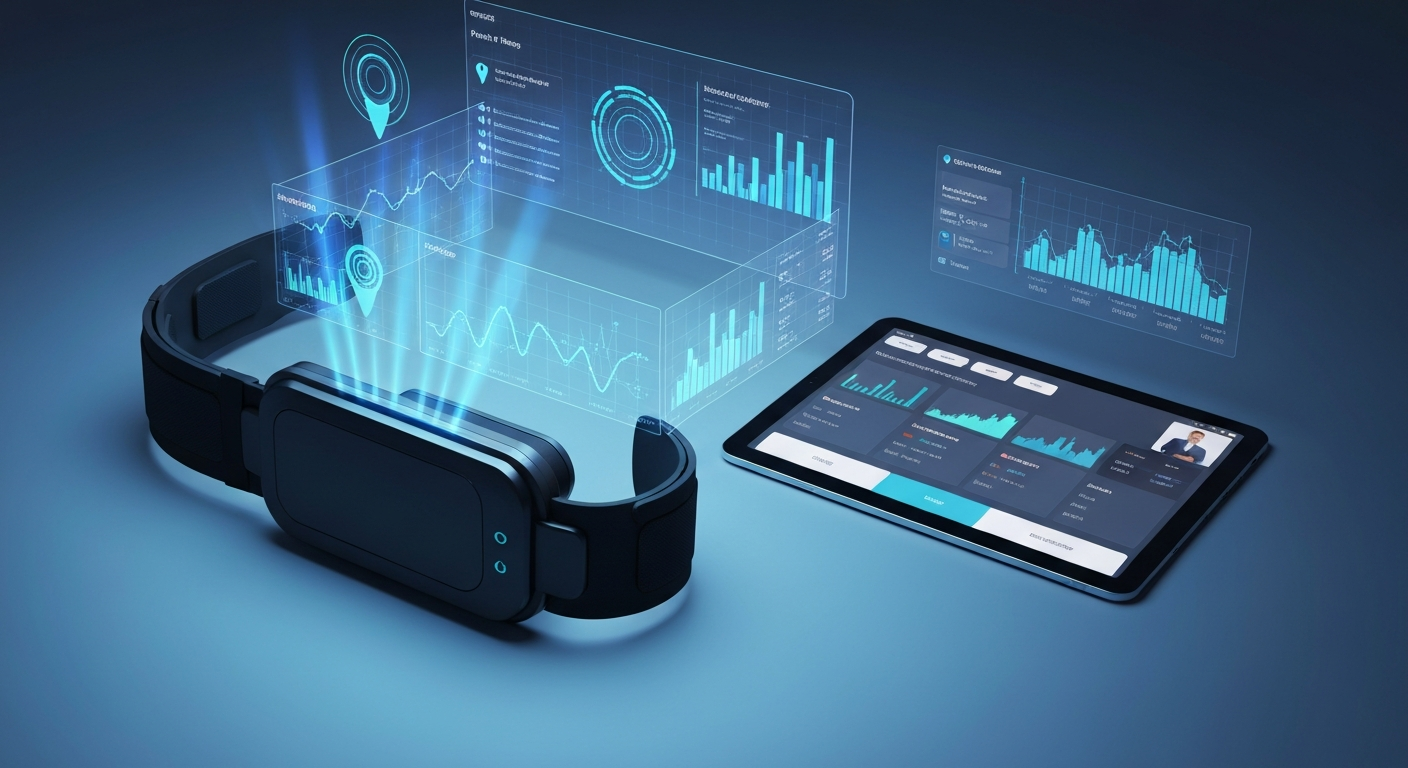
The probation system has historically been paper-heavy and labor-intensive. Probation officers are often burdened with unmanageable caseloads, making proactive supervision nearly impossible. However, the intersection of advanced GPS technology, data analytics, and mobile connectivity is rapidly rewriting the rules of community supervision.
As we look to the future, My GPS Monitor anticipates a shift from reactive policing to predictive, data-driven rehabilitation. Here is a look at where the industry is heading.
From Passive Tracking to Predictive Analytics
Currently, GPS monitors are excellent at telling us where someone is and where they have been. The future lies in predicting where they might go next and intervening before a violation occurs.
By analyzing vast amounts of movement data, machine learning algorithms can identify behavioral anomalies. For example, if an individual on probation for substance abuse suddenly begins altering their daily route home from work to pass through an area known for drug activity, the system can flag this subtle shift. This allows the probation officer to intervene with counseling or a check-in before a relapse or violation happens.
Big Data
Aggregating historical movement patterns to establish behavioral baselines.
Machine Learning
Algorithms that detect subtle deviations from established positive routines.
Proactive Intervention
Officers receive alerts for behavioral shifts, not just hard zone violations.
Integration with Biometrics and Health Data
The ankle monitors of the future will likely incorporate advanced biometric sensors. While current devices focus heavily on location and physical tampering (like the SecureCuff™), future iterations may track physiological data such as heart rate variability, skin temperature, and continuous alcohol monitoring (CAM) natively within the same device.
This holistic view of the individual provides a much clearer picture of their compliance and overall well-being, allowing for highly tailored rehabilitation programs.
The Rise of the Mobile App Ecosystem
Supervision is becoming decentralized. We are already seeing this with our Dedicated Agent App, which puts the power of the monitoring dashboard directly into the hands of the supervising agent via their smartphone.
In the future, defendant-facing apps will become standard. These apps will integrate with the GPS hardware to push court date reminders, provide secure messaging with probation officers, facilitate telehealth counseling sessions, and allow for easy, digital check-ins. This reduces the friction of compliance and makes it easier for individuals to succeed.
Conclusion
The future of probation is not about tighter shackles; it is about smarter supervision. By leveraging data, predictive analytics, and integrated mobile ecosystems, technology will empower probation officers to manage larger caseloads more effectively and provide individuals with the targeted support they need to achieve long-term rehabilitation.