Understanding the Different Types of Electronic Monitoring Devices
From active GPS trackers to passive RF systems, learn about the various types of electronic monitoring devices used in the justice system and how they differ in capabilities.
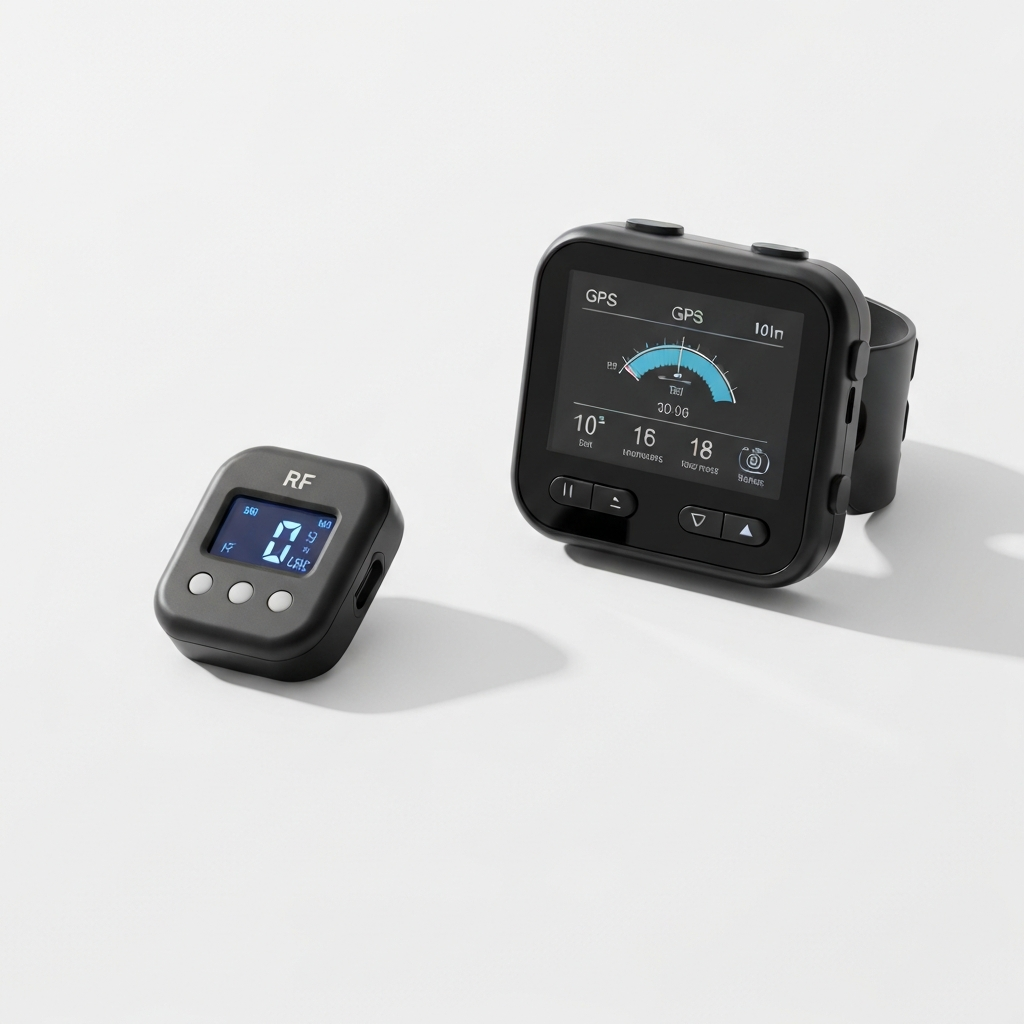
The term "electronic monitoring" is often used as a catch-all phrase, but the technology behind these devices varies significantly. Depending on the level of supervision required, the justice system employs different types of electronic monitoring devices to track individuals on pretrial release, probation, or parole.
Whether you are a bail agent evaluating risk mitigation tools or a family member trying to understand the conditions of a loved one's release, knowing the differences between these technologies is crucial. In this guide, we break down the primary types of electronic monitoring devices and how they function.
1. Active GPS Monitoring Devices
Active Global Positioning System (GPS) monitoring is the most advanced and commonly used technology for high-risk individuals. These devices use a network of satellites to determine the wearer's exact location in real-time.
How Active GPS Works
- Continuous Tracking: The device constantly pings satellites to determine coordinates. For example, our ReliAlert™XC4 updates location every 2 seconds.
- Real-Time Data Transmission: The location data is transmitted immediately to a monitoring center via cellular networks (like 4G LTE).
- Instant Alerts: If the wearer enters an exclusion zone (a place they are forbidden to go) or leaves an inclusion zone (like their home during curfew hours), an alert is generated instantly.
Active GPS is the standard for modern monitoring programs because it offers unparalleled oversight. Supervising officers and bail agents can log into a dashboard and see exactly where the individual is at any given moment.
2. Passive GPS Monitoring Devices
Passive GPS monitoring uses the same satellite technology to track location, but it handles the data differently. Instead of transmitting the location in real-time, the device stores the tracking data internally.
The data is only uploaded to the monitoring center periodically—usually once a day—when the device connects to a base station at the wearer's home or when it is plugged in to charge.
The Drawback: While passive GPS is often less expensive, it does not provide real-time alerts. If an individual violates a zone or removes the device, the supervising officer won't know until hours later when the data is finally uploaded. Because of this delay, passive GPS is rarely used for individuals considered a flight risk or a danger to the community.
3. Radio Frequency (RF) Monitoring Systems
Before GPS became the standard, Radio Frequency (RF) monitoring was the primary method of electronic supervision. RF systems are specifically designed to enforce house arrest or curfews.
The Limitations of RF Technology
RF systems consist of a wearable transmitter (the ankle bracelet) and a stationary receiver unit plugged into the wall at the wearer's home. The receiver detects the radio signal from the bracelet as long as the wearer is within a specific range (usually 50 to 150 feet). If the wearer leaves the range, the receiver alerts the monitoring center. RF systems cannot track where the person goes once they leave the house; they only confirm whether the person is home or not.
4. Secure Continuous Remote Alcohol Monitoring (SCRAM)
SCRAM devices are specialized ankle monitors designed for individuals whose offenses involve alcohol (such as DUI/DWI). Rather than tracking location, these devices measure the wearer's transdermal alcohol concentration.
The device automatically samples the wearer's sweat every 30 minutes to detect the presence of alcohol. If alcohol is consumed, the device logs the violation and transmits the data to the monitoring agency. Some SCRAM devices also incorporate RF or GPS technology to combine alcohol monitoring with location tracking.
5. Advanced Hybrid Devices (The Modern Standard)
Today, the most effective monitoring solutions combine multiple technologies into a single, highly advanced unit. For example, the ReliAlert™XC4 used by My GPS Monitor incorporates several layers of technology:
- Active GPS: For precise, real-time outdoor tracking.
- Cellular Triangulation: Acts as a secondary location technology if GPS signals are blocked (e.g., inside concrete buildings or parking garages).
- 2-Way/3-Way Voice Communication: Allows the monitoring center to call the device directly to speak with the wearer, enabling immediate intervention before a violation escalates.
- Fiber-Optic Tamper Detection: Woven into the strap (like our SecureCuff™) to instantly detect if the band is cut or compromised.
Frequently Asked Questions About Device Types
Conclusion
Understanding the different types of electronic monitoring devices is essential for choosing the right supervision strategy. While RF and passive systems have historical significance, the modern justice system relies on the robust, real-time capabilities of Active GPS and hybrid technologies.
At My GPS Monitor, we utilize the most advanced active GPS technology available, ensuring reliable oversight, immediate intervention, and peace of mind for both families and bail agents.
Experience the Most Advanced Monitoring Technology
Learn more about how our cutting-edge GPS devices provide unparalleled security and support.
See How Our System Works